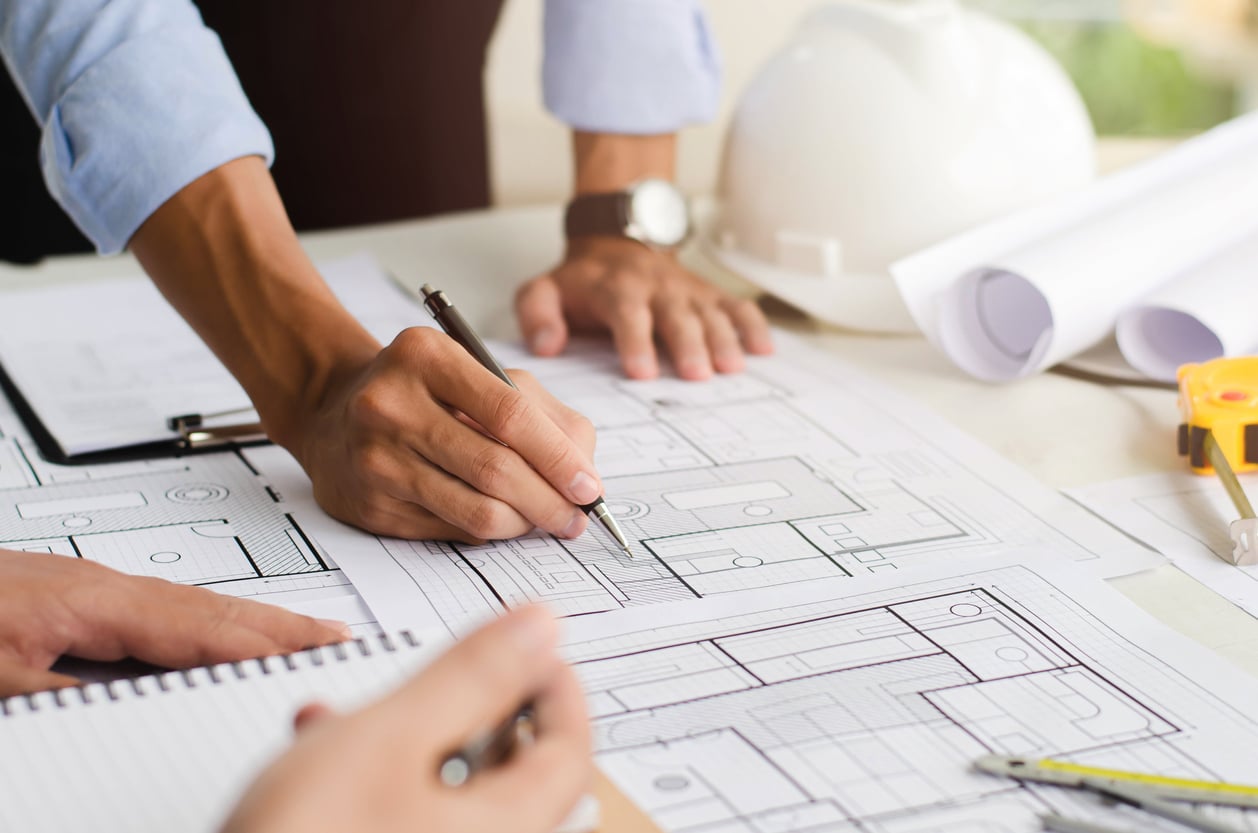
Five Phases. One Team. Everything Visible.
Finding Your Lot
We walk the land with you, read the site, and help you see what it wants to become. For clients arriving from out of state, this often means weekend trips, a shortlist of parcels, and honest conversations about what each one will cost to build on.
Do you help people who do not own a lot yet?
Yes, and roughly half our custom-home clients arrive without a lot. Theresa, our principal broker and manager, works alongside clients from the very start: walking prospective parcels in Bend, Redmond, Sisters, and Sunriver, comparing them honestly, and helping you understand what each one will actually cost to build on. Reading the site is one of the most important things we do, and it costs you nothing in the early conversations. We would rather invest time getting the land right than push toward a build that the site can't carry. Once a lot is identified, the design conversation becomes far more grounded: we can speak to actual sun angles, actual setbacks, actual driveway costs, instead of imagining a generic plan that may not survive the realities of the parcel.
What should I look for in a Central Oregon lot?
Five things matter most when evaluating a Central Oregon lot for a custom home. First, solar orientation: south and southwest exposure helps with passive solar gain through long high-desert winters. Second, tree cover and wildfire defensible-space requirements, especially in Sisters, Sunriver, and the wildland-urban interface. Third, snow load: the Cascades and Sisters area can require significantly engineered roof structures. Fourth, well and septic feasibility: many Central Oregon lots are off municipal water and sewer, and not every parcel will perc. Fifth, setbacks from ridgelines, view corridors, and HOA envelopes, which can quietly shrink your buildable footprint. We walk through each of these with you during a site visit, and we will not let you fall in love with a lot that the realities of the site won't support without expensive surprises.
Setting Up Financing
Introductions to local lenders who understand custom construction in Central Oregon. We sit in on the initial conversation so the budget that lands on paper matches the home you actually want.
Do you arrange the financing?
No, and we are intentional about that. We introduce you to local lenders we have worked with on construction loans across Central Oregon, and we sit in on the early conversation so the budget that lands on paper matches the home you actually want to build. Construction lending is a specialized product, different from a traditional mortgage, with draw schedules, contingency requirements, and rate locks that vary by lender. We help you ask the right questions and compare structures, but the loan is yours and the relationship is yours. Keeping financing one step removed from the builder protects you. It also keeps us honest: we never have a financial reason to nudge a budget up to fit a loan ceiling.
What is a realistic price per square foot?
Price per square foot is a number we are deliberately careful with, because it varies widely depending on your site work, your finish level, and your design complexity. Two homes the same size on two different lots in Central Oregon can differ by hundreds of dollars per foot once you account for well, septic, driveway, foundation requirements on a sloped or rocky site, snow-load roof engineering, and finish selections. We work with each client's actual budget and walk through the trade-offs honestly so the home you build matches the number you can spend. When you have plans and a lot, we'll generate a real line-item budget from real subcontractor bids. That's the number worth planning around, not a per-foot estimate from before the design exists.
Permits and Planning
We navigate the county, design your home, and price it honestly before we break ground. You will see a line-item budget, a construction schedule, and a clear list of every decision we need from you.
How long does permitting take?
In Deschutes County, plan on three to six months from a complete plan set to an approved building permit. The window varies based on the jurisdiction (Bend city limits, county unincorporated, the cities of Redmond, Sisters, or Sunriver), the season (winter and spring move faster than summer), and the complexity of the review. Septic and well-water permits run on their own clocks and need to land before the building permit is final. We manage the full submittal (county application, structural engineering, energy calcs, septic feasibility, fire department review where required, and any HOA architectural approval), and we share a written timeline so you know which milestones are on track. We also tell you early when a review cycle is dragging, so the schedule and the budget stay aligned.
Who designs the house?
We design in house. Kris, our project and design manager, leads the design work and stays involved through the build, which means the home that gets drawn is the home that gets built. There is no handoff between an outside architect and a separate construction team where details get lost in translation, and there is no markup on a design fee. One team carries the vision from concept sketches through framing through finish, and one person is accountable for both the look of the home and how it will actually be constructed. For clients who arrive with their own architect, we collaborate gladly, but the in-house option exists specifically to keep design intent and construction reality aligned at every decision point.
The Build
One superintendent, weekly walk-throughs, and a live budget you can check any day. The open book is not a slogan. Every invoice, every change order, every schedule shift is visible to you in real time.
How often will I hear from you during construction?
Every week, in two ways. You'll get a written update from your superintendent every Friday covering the past week's progress, the coming week's plan, any decisions we need from you, and any schedule or budget shifts, flagged early, never buried. You'll also get a weekly walk-through of the home in person or by video, depending on whether you live local or out of state. Beyond that, the project portal is live around the clock: budget, schedule, photos, all visible whenever you want to look. If you prefer more frequent check-ins, we make the time. Communication should match what makes you comfortable, not the other way around. Out-of-state clients in particular often want a midweek photo update, and we are happy to provide it.
What does open-book mean during the build?
During construction, open-book means you see every subcontractor bid, every material invoice, and our fee as a transparent line item, never as margin buried inside other costs. When a framing invoice lands, you see the framer's invoice. When a window package is ordered, you see what we paid the supplier. Change orders are itemized with the same transparency, so a kitchen upgrade or a flooring change shows up as a clear delta you approve before work begins. The discipline matters most when something goes sideways (a buried boulder, a permit revision, a material price jump), because you see exactly what happened and why, and we discuss the trade-offs together. Open-book takes more administrative work for us. It also makes a custom build dramatically less stressful for the homeowner, and that is the point.
Finish and Handoff
Final walk, a year of warranty support, and a team you can call when seasons change. The same people who built your home are the ones who answer the phone in year three.
What does your warranty cover?
Every 44 North Homes build comes with one year of workmanship coverage on the home itself: cabinets, flooring, heating and cooling, framing details, finish carpentry, and the other build elements we stand behind. Manufactured items (appliances, windows, water heaters) are covered through their manufacturers' warranties, which typically run longer than one year, and we coordinate those claims on your behalf rather than handing you a phone number. We also offer a no-cost first-winter and first-spring check-in for every home we build, where we walk the property and address any seasonal items (caulking, weatherstripping, exterior touch-up) before they become real problems. The same team that built your home is the team you call in year three. Continuity is part of the warranty.
Do you come back for seasonal checks?
Yes. We offer a no-cost first-winter and first-spring check-in for every home we build, and most clients take us up on both. The Central Oregon climate puts a new home through real cycles in its first year (heavy snow loads in January, ice dam risk in February, snowmelt and runoff in March, the first heat-and-dry stretch in summer), and small adjustments now (caulking touch-ups, weatherstripping, exterior wood checks, gutter clearing, HVAC filter changes) prevent the larger problems that show up in year three or year five. The visit is also a chance to answer the dozens of small questions every new homeowner has after a few months of living in the home. We treat handoff as the start of the relationship, not the end.
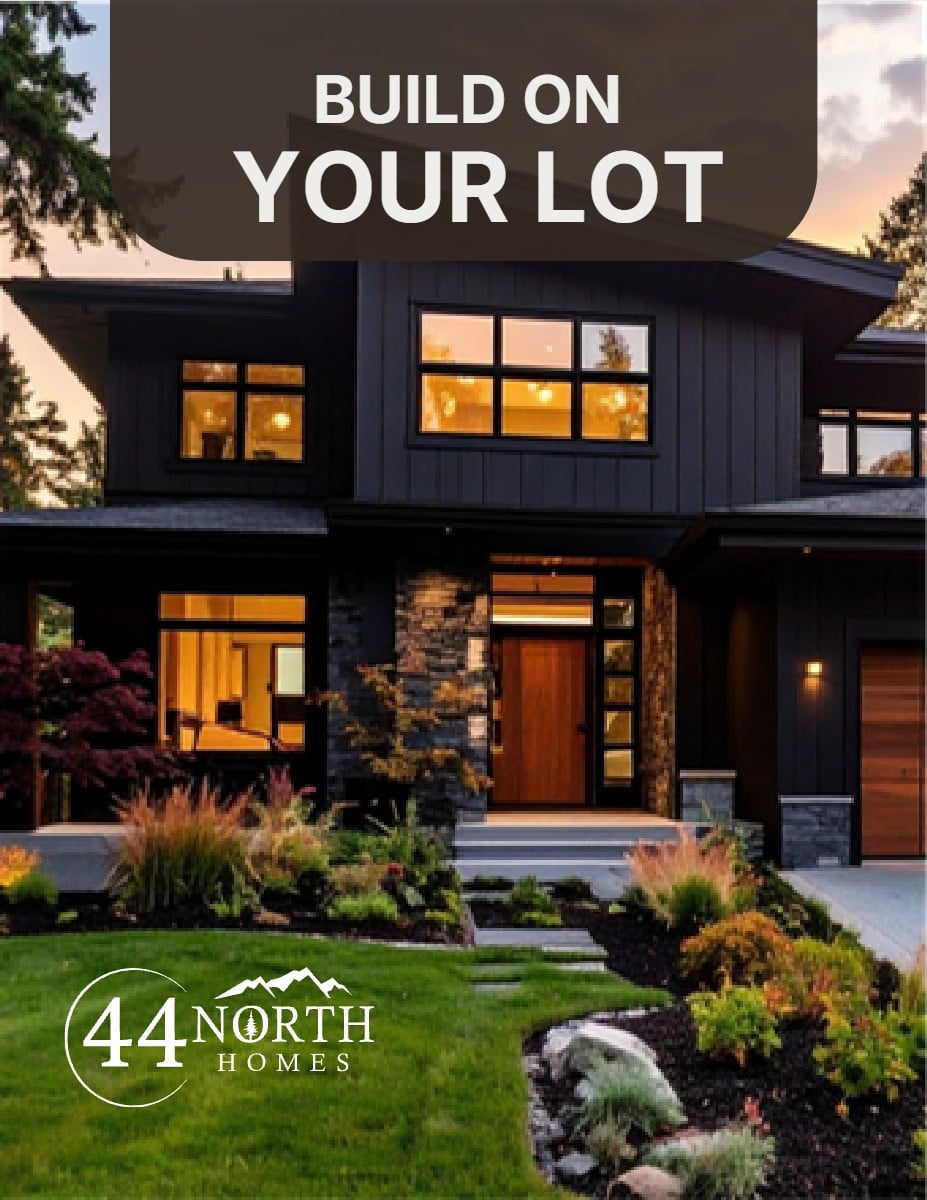
Build On Your Lot
Everything we wish people knew before they broke ground.
- The thirteen things to check on a lot before you buy it: well and septic feasibility, utilities, access, slope, soil, and wildfire mitigation.
- How construction-to-permanent financing works, and the site-development costs most budgets miss.
- A readiness checklist, so you can see where you actually stand today.
- The ten most expensive mistakes people make before building.
Ready to Build in Central Oregon?
Tell us about your lot, your timeline, or the home you have in mind. We respond within one business day.
Start a conversation →